
Sidewalks, Walkways & Flatwork
Safe, attractive concrete pathways that enhance your property and improve accessibility.
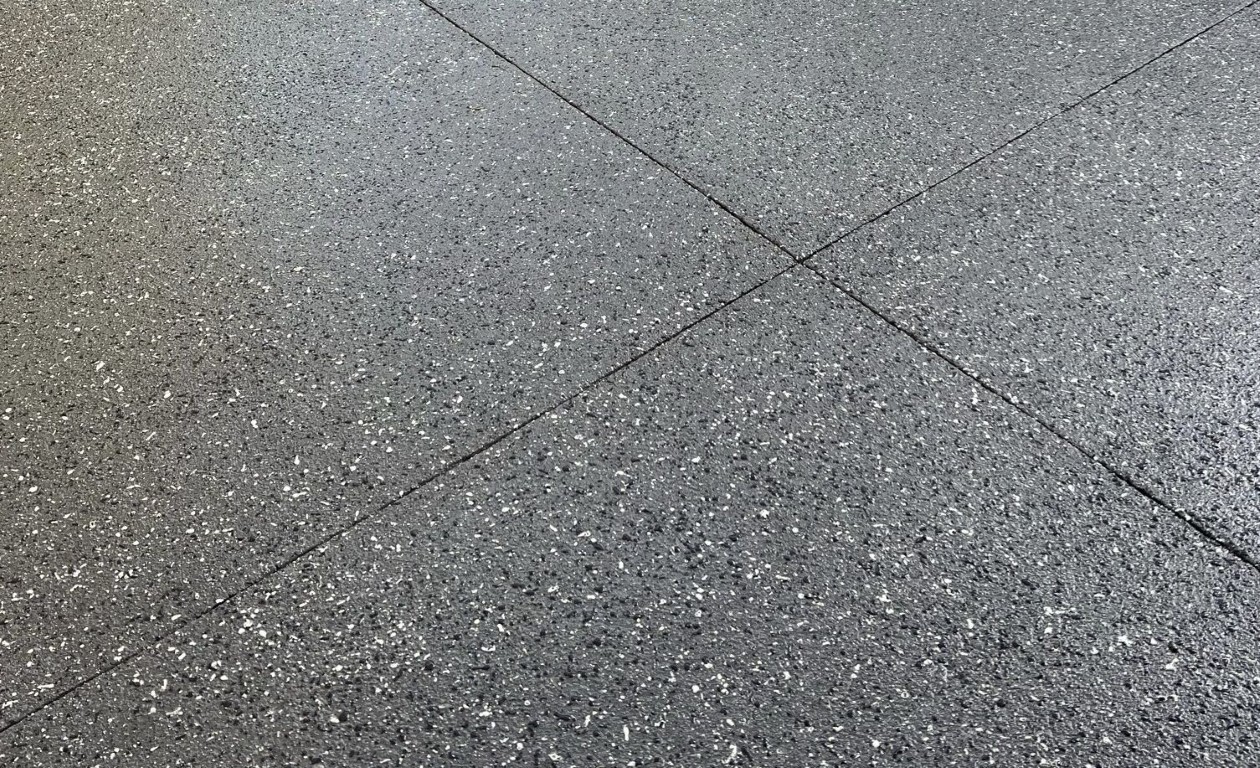
Why Quality Walkways Matter
Sidewalks and walkways are more than just paths to get from one place to another. They are essential for safety, accessibility, and curb appeal. A well-designed walkway guides visitors to your entrance, creates a welcoming first impression, and provides safe passage in all weather conditions. Poorly installed or damaged walkways create trip hazards and can lead to injuries and liability issues.
Concrete is the best material for sidewalks and walkways because it is durable, low maintenance, and affordable. Unlike gravel or mulch paths that need constant replenishment, concrete stays in place and maintains its shape year after year. It does not rot like wood, shift like pavers, or require ongoing maintenance like natural stone. A properly installed concrete walkway can last 30 years or more with minimal care.
We install all types of concrete flatwork including front walkways, side paths, garden paths, and access routes to garages, sheds, and other outbuildings. Good concrete sidewalk building also covers commercial sidewalks, ADA-compliant ramps, and municipal sidewalk projects. Every installation is customized to fit your property layout, drainage needs, and aesthetic preferences.
The key to a long-lasting walkway is proper installation. This means correct grading for drainage, a solid base, proper thickness, and control joints to manage cracking. We take these steps seriously on every project, whether we are pouring a simple 20-foot walkway or a complex network of paths throughout your property.
Planning Your Walkway or Sidewalk
Good walkway design considers function, safety, and appearance. Here is what we think about when planning your project:
Layout and Path Selection
We work with you to determine the best routes for your walkways. The most direct path is not always the best choice if it means poor drainage or awkward steps. We consider how water flows across your property, where people naturally walk, and how to create smooth transitions between different elevations. We also plan for future landscaping and maintenance access.
Width and Thickness Requirements
Front walkways should be at least 4 feet wide to allow two people to walk side by side comfortably. Narrower paths work for side yards and garden areas. Thickness depends on soil conditions and expected use. Residential walkways typically need 4 inches of concrete over a proper base. We may recommend thicker slabs in areas with poor soil or heavy foot traffic.
Slope and Drainage Considerations
Proper slope is critical for safety and drainage. Walkways should slope slightly away from buildings to prevent water from pooling or flowing toward foundations. The slope needs to be enough for drainage but not so steep that it creates a hazard. We use laser levels and professional grading equipment to ensure correct slopes throughout your walkway system.
Design and Finish Options
Walkways do not have to be plain gray concrete. We offer broom finishes for traction, stamped patterns for decorative appeal, exposed aggregate for texture, and colored or stained concrete for custom looks. You can also add borders, bands, or decorative elements to create visual interest and complement your home design.
Installation Process for Quality Results
Every walkway we install follows a careful process designed to create lasting results:
- Site layout and excavation: We mark the exact path of your walkway, taking measurements and checking elevations. We then excavate to the proper depth, typically 6 to 8 inches to allow for base material and concrete thickness.
- Base preparation: We install and compact a gravel base that provides stability and drainage. This base prevents settling and keeps your walkway level over time. Proper compaction is essential, so we make multiple passes with compaction equipment.
- Form building: We construct forms that define the edges of your walkway and ensure straight lines and smooth curves. Forms must be level and properly staked to prevent movement during concrete placement.
- Concrete placement and finishing: We pour and spread concrete, then use floats, trowels, and finishing tools to create a smooth, level surface with proper texture. We add control joints every 4 to 5 feet to guide any minor cracking to inconspicuous locations.
- Curing and sealing: We protect new concrete during the curing period and apply sealers if requested. Proper curing ensures the concrete reaches full strength and durability.
We pay attention to every detail, from making sure expansion joints line up properly to ensuring smooth transitions at doorways and driveway connections. This careful approach results in walkways that look professional and last for decades.
Frequently Asked Questions
Ready for a New Walkway?
Call us today for a free estimate on your sidewalk or walkway project.
(252) 203-4906